Safari with Young Children: Our Family Adventure in Malawi
People often ask me what the best age is to take children on safari. My answer? Any age, and as many times as your budget allows!
Kukula is about growth, and what better way to inspire children to feel connected to the world around them than to take them somewhere completely different? To explore a new country, experience a different way of life, and see animals they have only ever encountered in books brought to life in front of them.
Malawi Safari: Three Generations in Africa
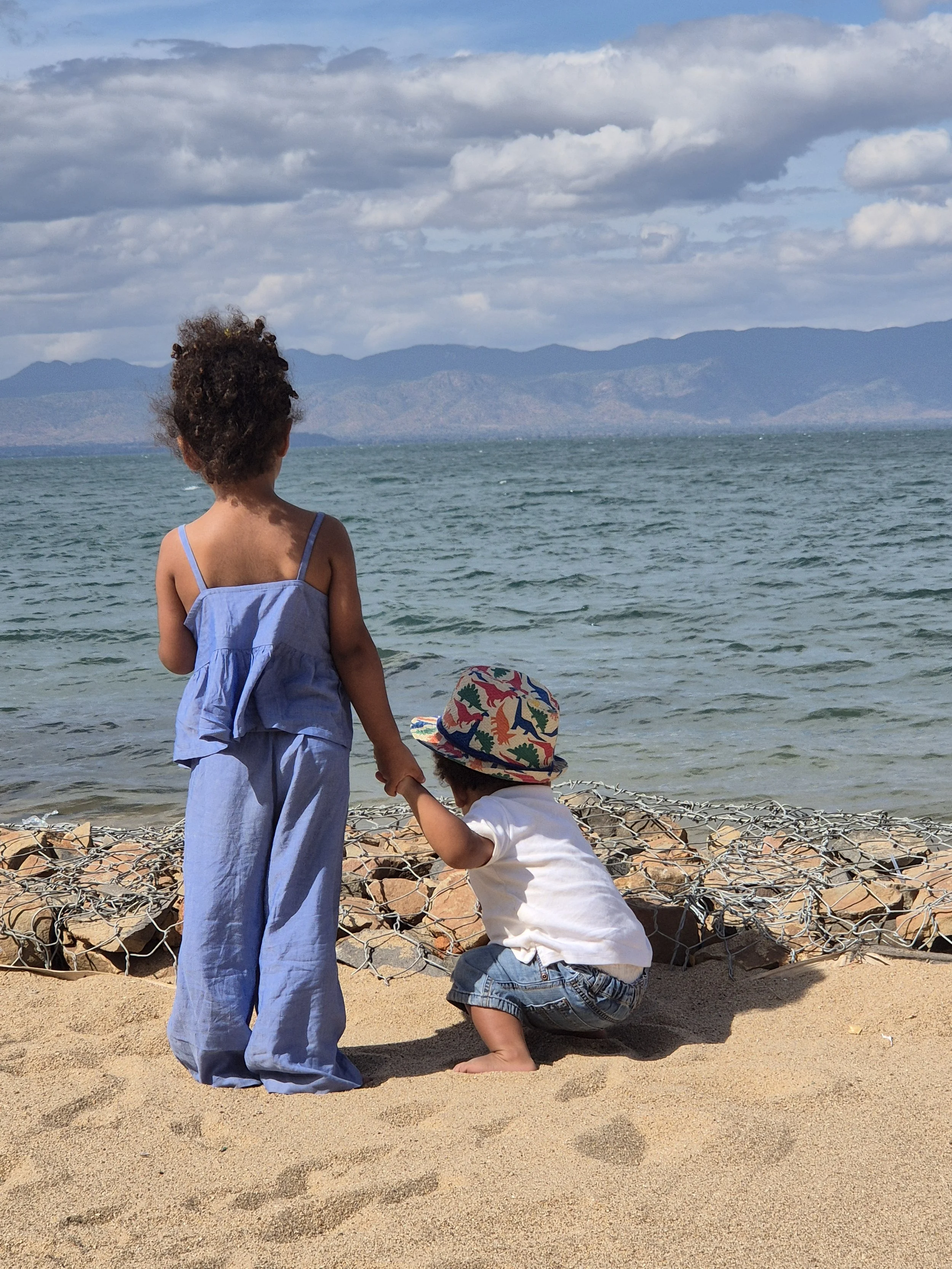
Last year, we took our two children to Malawi. Alongside seeing family and relaxing beside the beautiful Lake Malawi, we spent some time on safari in Majete National Park. Our daughter was almost four and our son just over 18 months — probably not the most conventional ages for a family safari, but I honestly cannot recommend it highly enough.
We also travelled with the grandparents, which made the trip even more special. There was something really lovely about three generations experiencing Africa together — watching the children discover animals they had only ever seen in books, while their grandparents shared in their excitement.
“Dinosaur!”
Though I would happily safari every day if I could, one of the most magical things for me was watching their faces and reactions to each new animal.
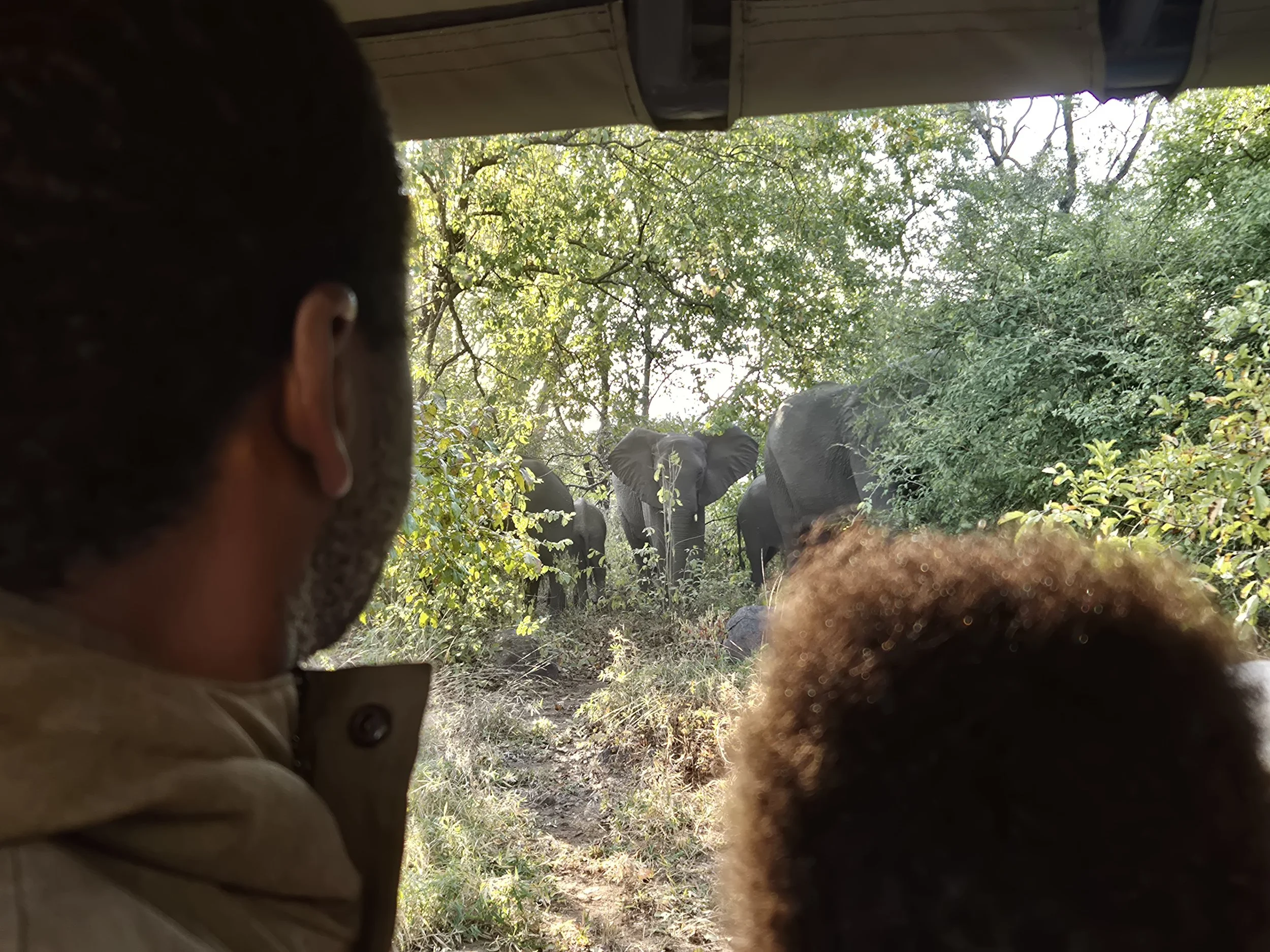
My son pointed dramatically at an elephant crossing the road in front of us, shouting, ‘Dinosaur!’
And, I mean, I could see the resemblance. An elephant does have something rather prehistoric about it, and I can only imagine how enormous it must look to a small child.
‘Dinosaur, hahaha!’ became his own little joke. It lasted for months after we came home and was one of the first glimpses we had of his sense of humour developing. Even now, it feels like it has become part of his personality — he laughs, jokes and finds things funny for a large chunk of every day.
Giraffe Kisses and Other Important Questions
Then there were the giraffes.
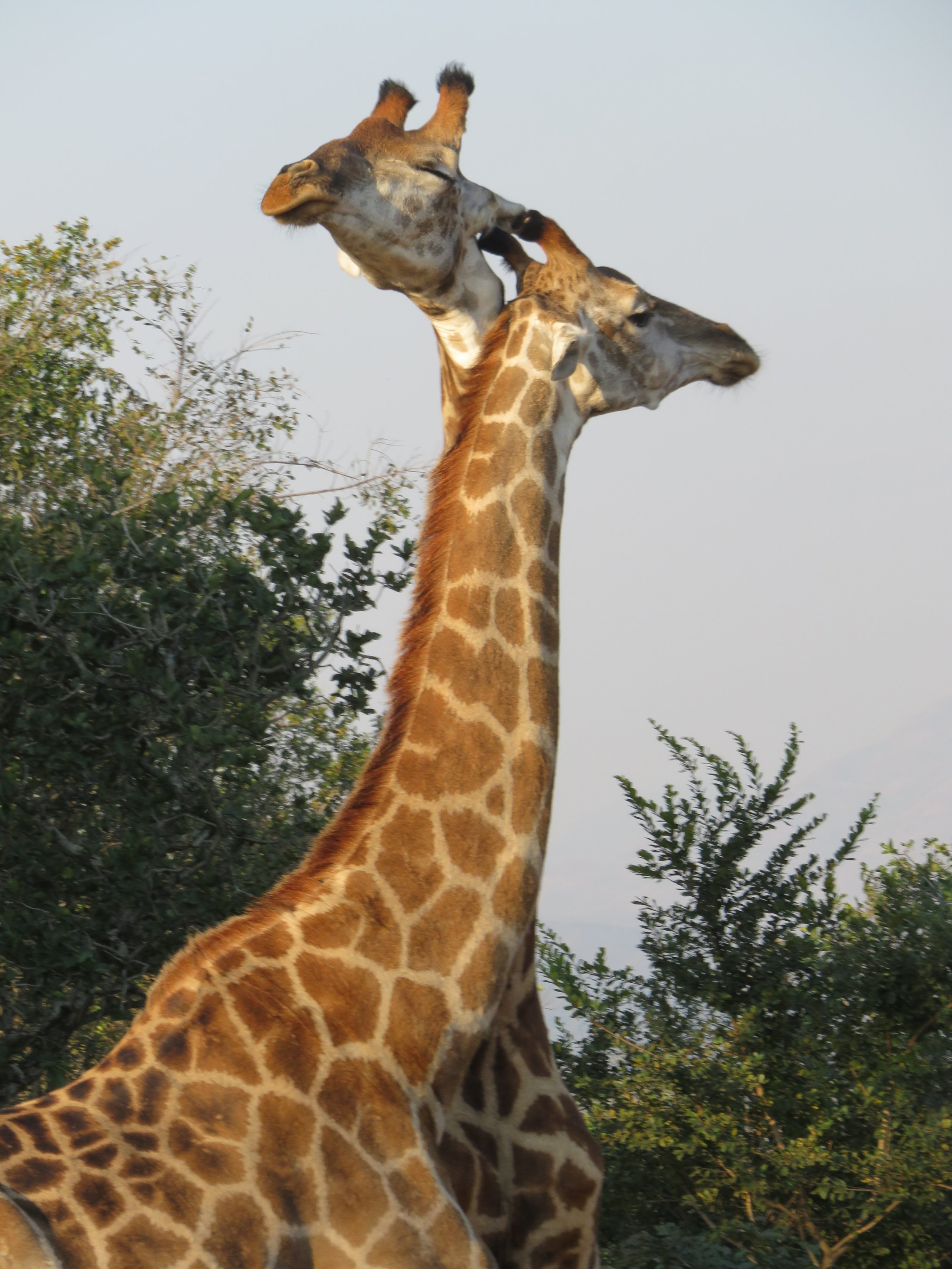
They loved watching the ‘mummy and daddy giraffes kissing’ as they intertwined their necks. They also found it hysterical when one giraffe drank another’s wee — followed, naturally, by a barrage of questions about why!
It was actually a fascinating thing for them to see. The male giraffe uses the female’s urine to determine whether she is in heat and ready to mate, so he doesn’t have to ‘waste his time and energy’ if she isn’t!
Meet Limpy
And then there was ‘Limpy’.
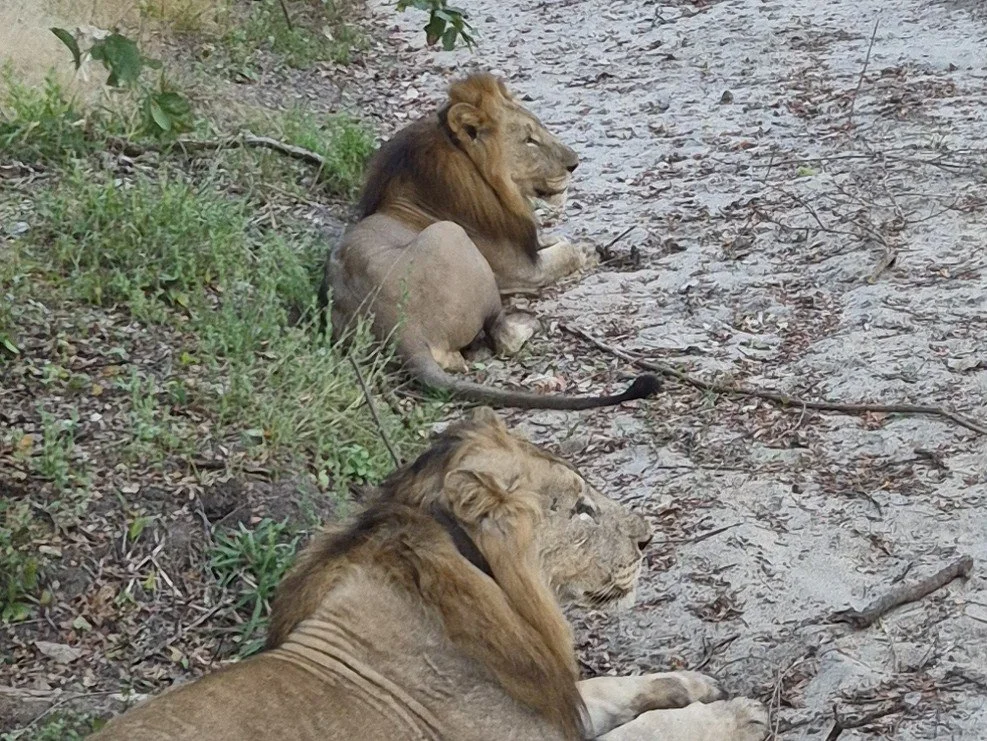
‘Limpy’ was part of a large pride of lions plodding down the road in front of us, looking rather like something out of Reservoir Dogs. He was a huge male who had lost a leg to a poacher’s snare.
It was a sad story, but one with a remarkable ending.
The park rangers and vets had decided that Limpy would not survive and that they would have to euthanise him. But, rather unexpectedly, after disappearing for a while, they found him being cared for by his brothers.
In fact, he gets to eat the catch of the day first.
A beautiful story of sibling love — and one that stayed with all of us. Later that day, we even enjoyed a cold local Kuche Kuche beer with (well, technically next to) Limpy and his brothers during our evening sundowner.
These are the moments I remember most.
Is safari suitable for toddlers?
Yes, there are early mornings on safari and later nights than might be ideal for small children. But children are remarkably adaptable. They nap during the day, you get some downtime yourself, and suddenly everyone is ready to go again.
Everywhere we stayed had a pool, which was a huge hit. And when you can’t take many toys with you, I highly recommend stacking cups — perfect for water, sand and just about everything else. They are tiny, versatile and, in our experience, endlessly entertaining.
And then there were the people.
Our children made so many friends, even when language was a barrier. Children have an incredible ability to connect without needing the same words. A smile, a game, a ball (or a stacking cup!) or a splash in the pool is often enough.
Do Children Need to Remember?
I know my youngest won’t remember this trip when he grows up. But I don't think that means it wasn't worth taking him.
For me, travel isn't about ‘making memories’ for your children to look back on years later. It is about the experience of being there — being present, being curious, seeing something new and allowing those experiences to shape who we become.
And perhaps, most importantly, it is about giving children the opportunity to experience the world before they have decided what they think of it.
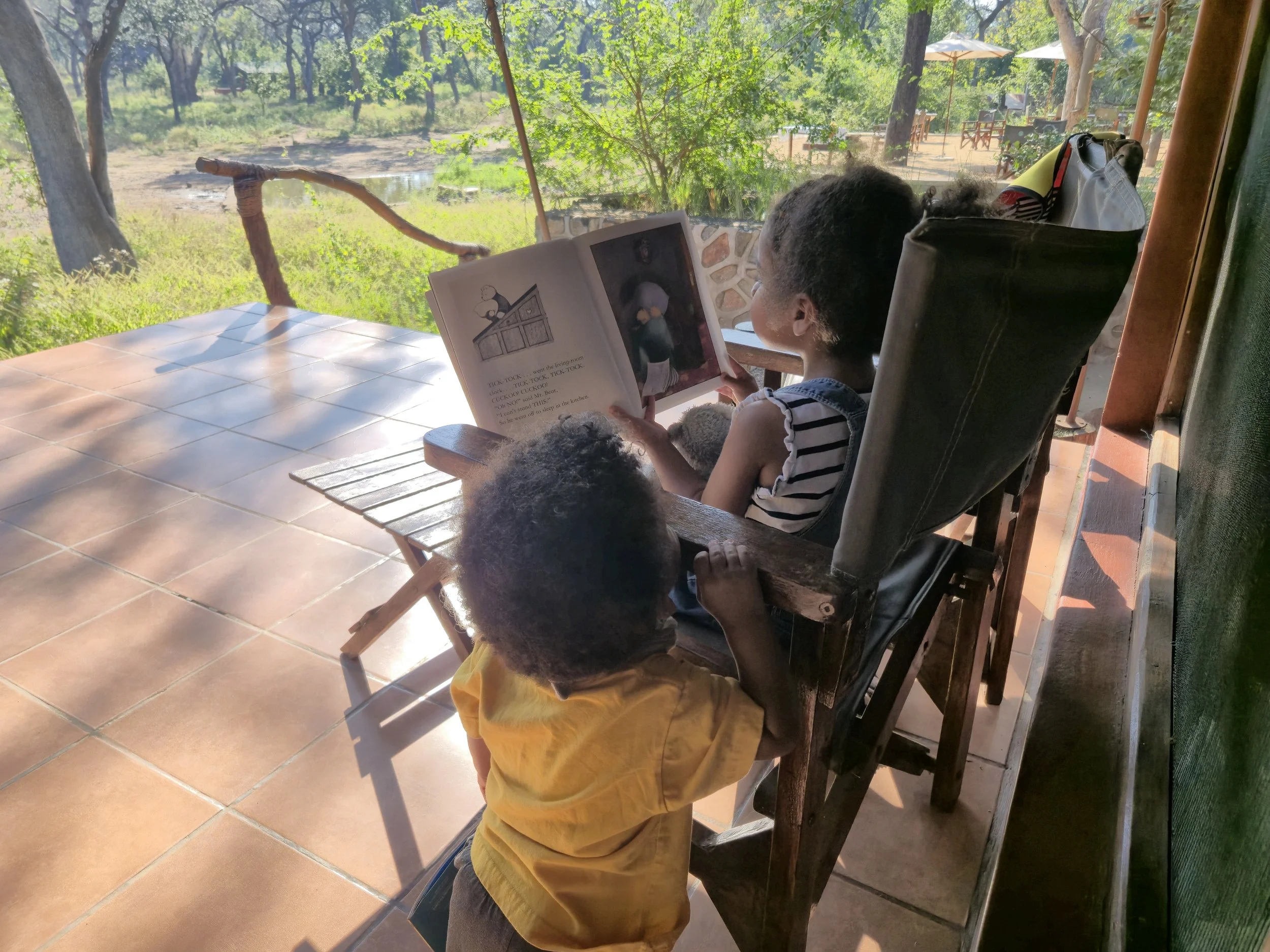
Seven months on from our adventure, my two-year-old is absolutely obsessed with animals. Lion and hippo are regular fixtures in his play, and his knowledge of animals is incredible. He spends hours looking through animal encyclopaedias, asking questions and flicking through storybooks about animals.
Although Stick Man is currently his favourite, and I don't remember seeing many of those on safari!
And my eldest? She talks about the trip all the time. She wants to be a vet in an African safari park and cannot wait to go back.
As for us, we're already planning the next adventure. Definitely Malawi again. Definitely Kenya. And I also rather fancy exploring Zimbabwe, along with all the other incredible destinations below — and many more.
A Bit About Kukula
This time we travelled to Malawi for ‘Big 5’ safari experiences, beautiful wildlife and the stunning lakeside beaches of Lake Malawi. There are so many possibilities depending on your budget, interests and the ages of your children — Kenya, Tanzania, Uganda, Zambia, Botswana, Namibia, South Africa… I could go on.
I’ve been lucky enough to safari across all of these countries, exploring multiple parks and reserves in many of them, as well as travelling to other incredible safari destinations across Africa. So whether you’re looking for your first family safari or your next adventure, I can draw on my own experiences to help you find the right destination, park and style of safari for you.
But Kukula isn’t just about where you go. It’s about how you travel, and perhaps more importantly, why you travel.
Kukula means to grow, and that idea sits at the heart of everything I believe about travel.
Being present. Not waiting for the perfect time, the perfect person, until the children are older or until you are retired. It is about living in the moment and making the most of the life you are actually living.
Being curious. There is always more to discover — new places, different perspectives, stories waiting to be heard and experiences we could never have imagined. Travel gives us the opportunity to step outside what we know, to ask questions and to see the world differently.
Being connected. It is the people we meet, the places and nature we encounter and the moments we share that turn a journey into something deeper than simply being somewhere new. It is those connections — with people, with places, with nature and with each other — that stay with us.
And ultimately, being Kukula.
To grow — slowly, steadily, becoming more than you were without ever losing where you began.