Ethiopia Travel: Ancient Civilisations, Highlands & 13 Months of Sunshine
Travel Advisory Note
Ethiopia has experienced periods of instability in recent years, and parts of the northern Historic Route and certain border regions are currently subject to UK government travel advisories. Guidance can change, and some areas may be restricted at short notice. We continue to monitor official updates carefully and look forward to expanding travel opportunities as conditions allow and it is considered safe to do so but for now we share the wonders of this incredible country.
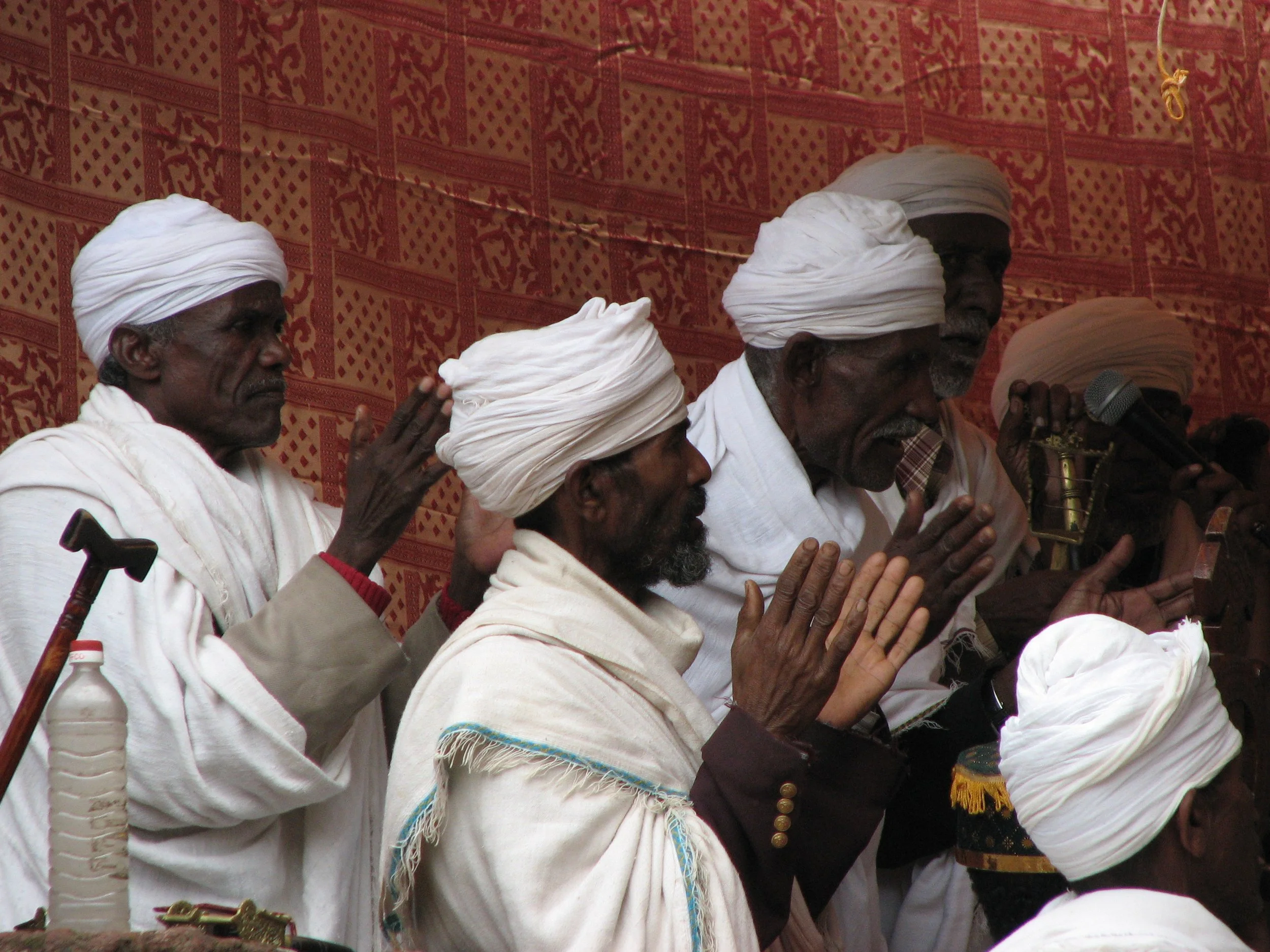
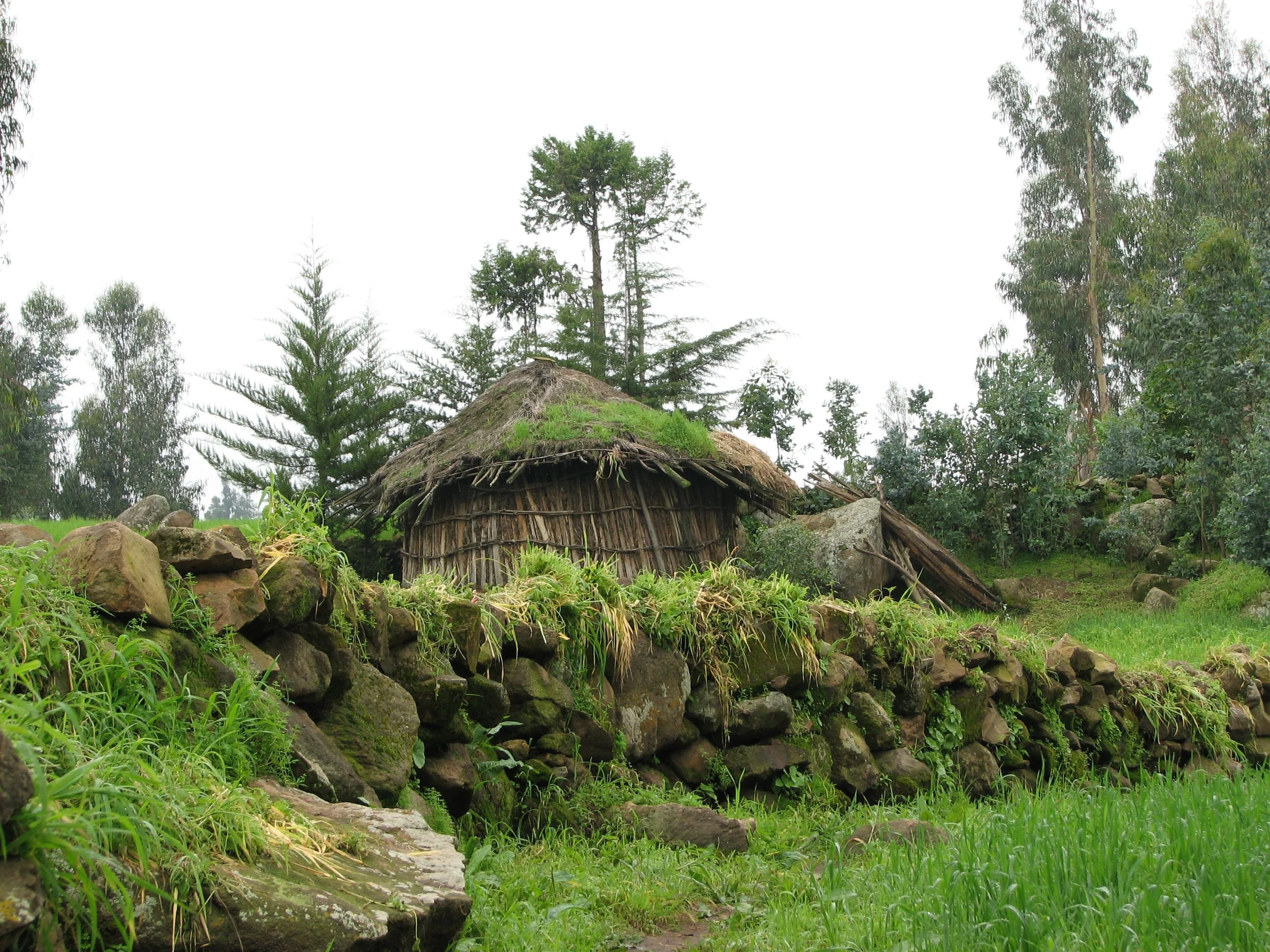
Unlike anywhere else in Africa, Ethiopia feels like a world of its own — shaped by ancient kingdoms, early Christianity, dramatic highlands and traditions that have evolved largely independent of colonial influence. It is a country where history stretches back millions of years, faith is deeply woven into daily life, and cultural identity remains powerfully intact.
With “13 months of sunshine,” Ethiopia follows its own calendar, which is around seven to eight years behind the Gregorian calendar. The Ethiopian year consists of twelve 30-day months plus a short 13th month called Pagumē. Ethiopian New Year, known as Enkutatash, falls in September, marking the end of the rainy season and the beginning of spring. Celebrations include flowers, singing, traditional dress and community gatherings — a joyful and distinctly Ethiopian way to begin the year, and a great time to visit.
The capital, Addis Ababa, offers a vibrant introduction, blending bustling markets, traditional coffee ceremonies and important museums. At the National Museum you can see “Lucy” (also know as Dinkinesh), the 3.2-million-year-old hominid fossil discovered in 1974. One of the most significant archaeological finds in the world, Lucy reshaped scientific understanding of early human evolution and underlines Ethiopia’s reputation as the cradle of humankind.
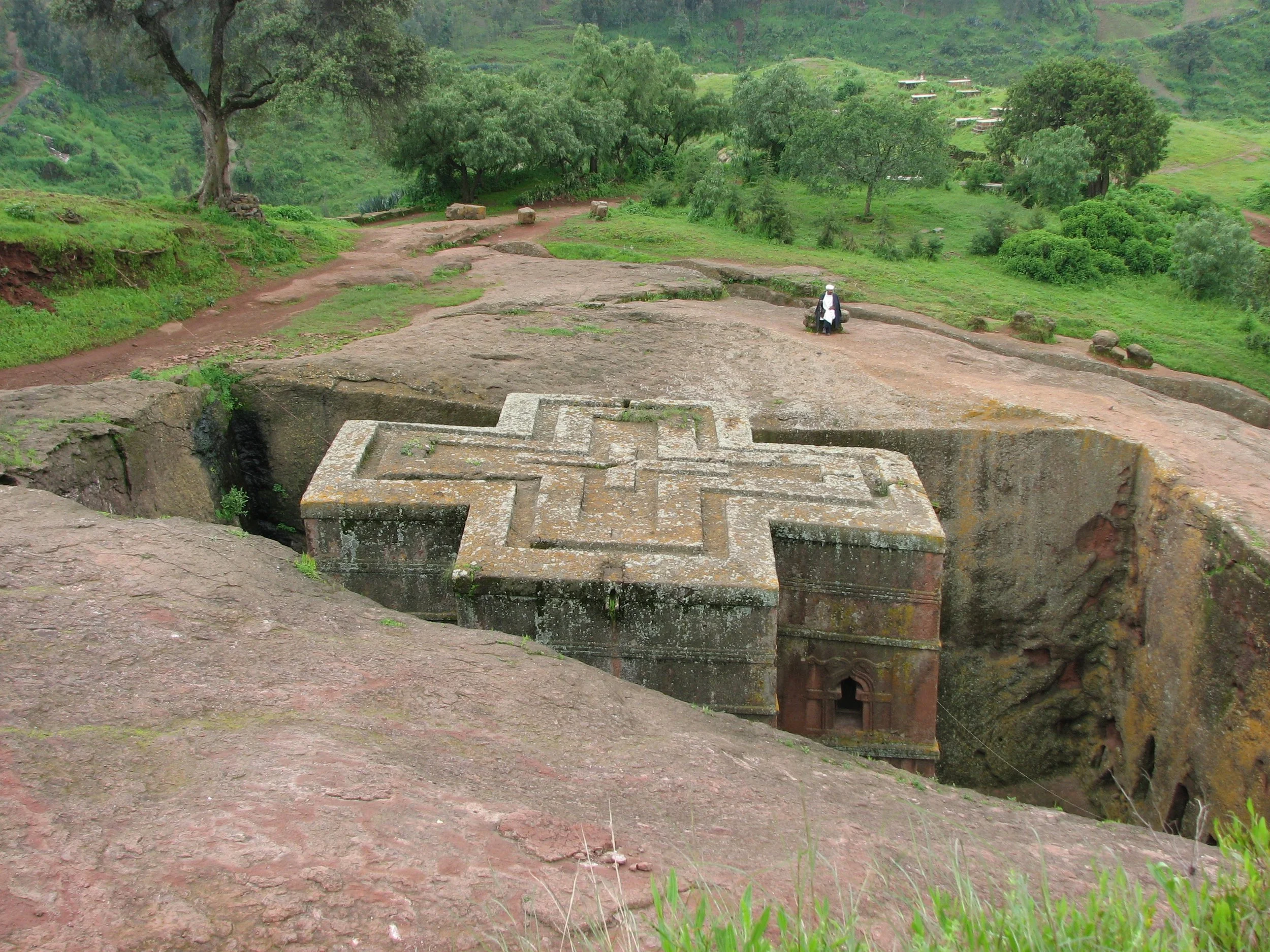
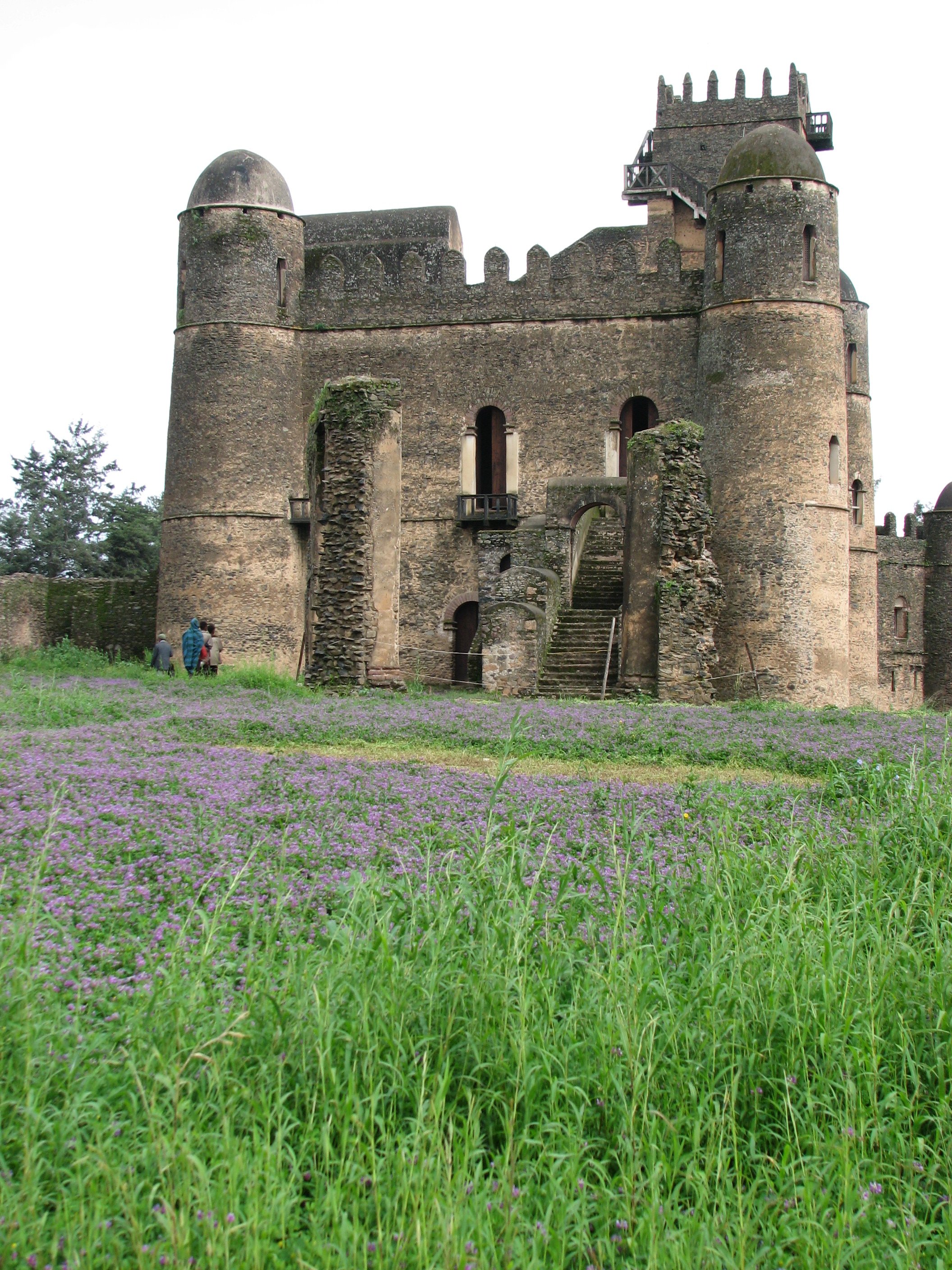
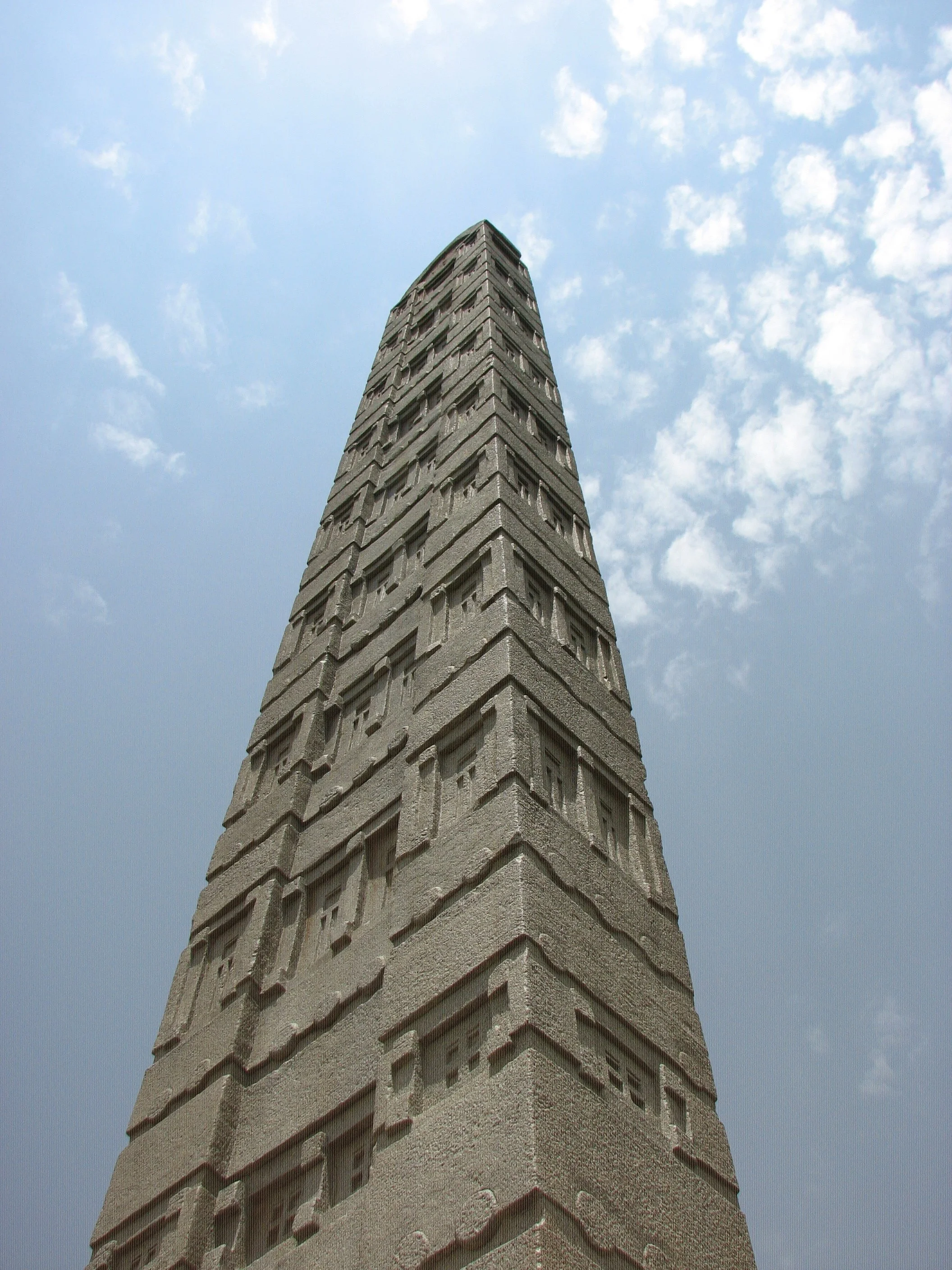
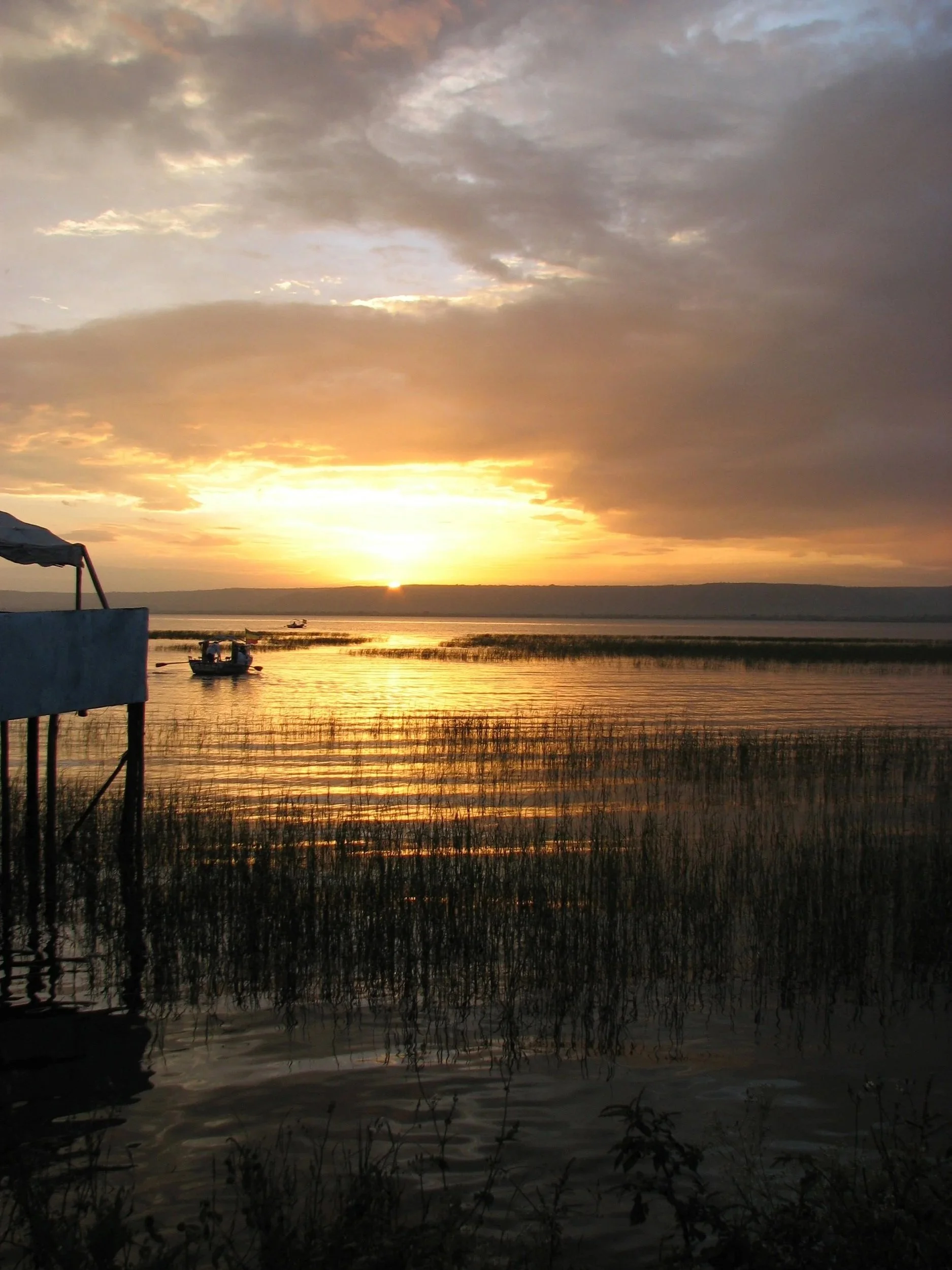
Ethiopia’s northern historic circuit is among Africa’s most remarkable cultural journeys. The rock-hewn churches of Lalibela, carved directly from volcanic rock in the 12th and 13th centuries, remain active places of worship and a UNESCO World Heritage Site. The ancient city of Aksum, once the centre of a powerful early kingdom, is famed for its towering obelisks and deep religious significance. In Gondar, medieval castles rise unexpectedly from the highlands, reflecting Ethiopia’s imperial past. Near Bahir Dar, Lake Tana provides a peaceful contrast, where centuries-old monasteries sit on forested islands and hippos can often be seen in the waters at dawn and dusk.
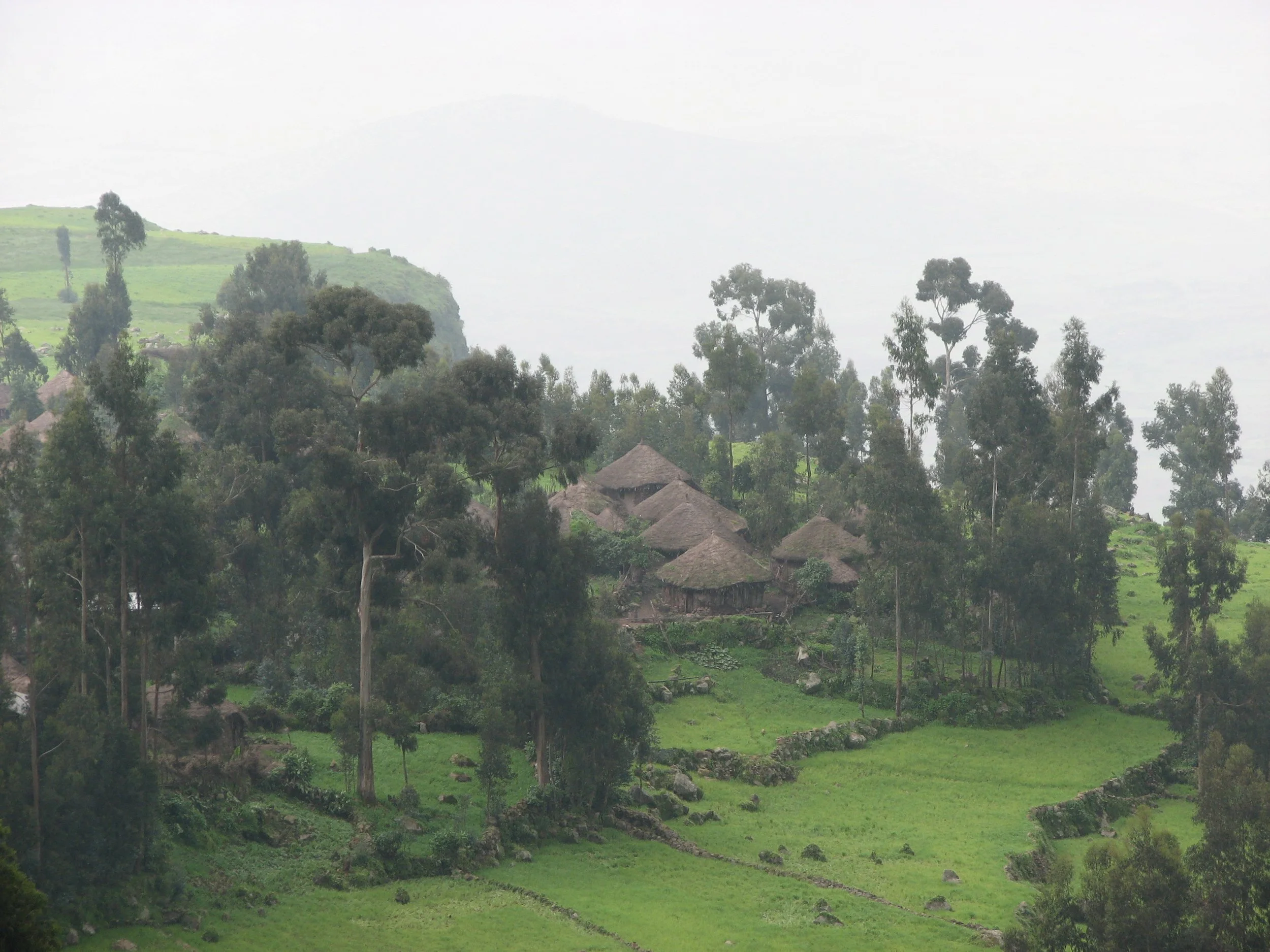
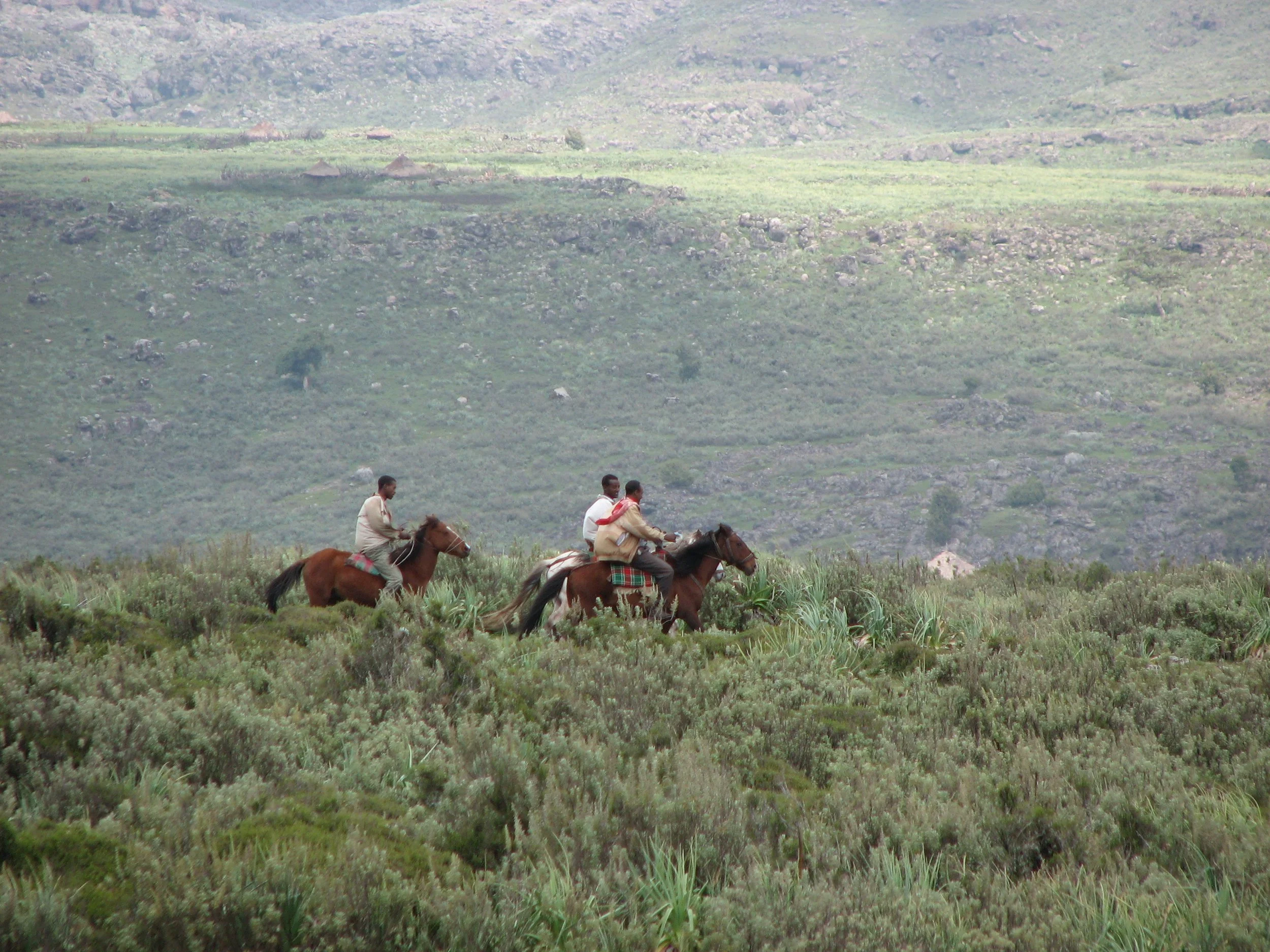
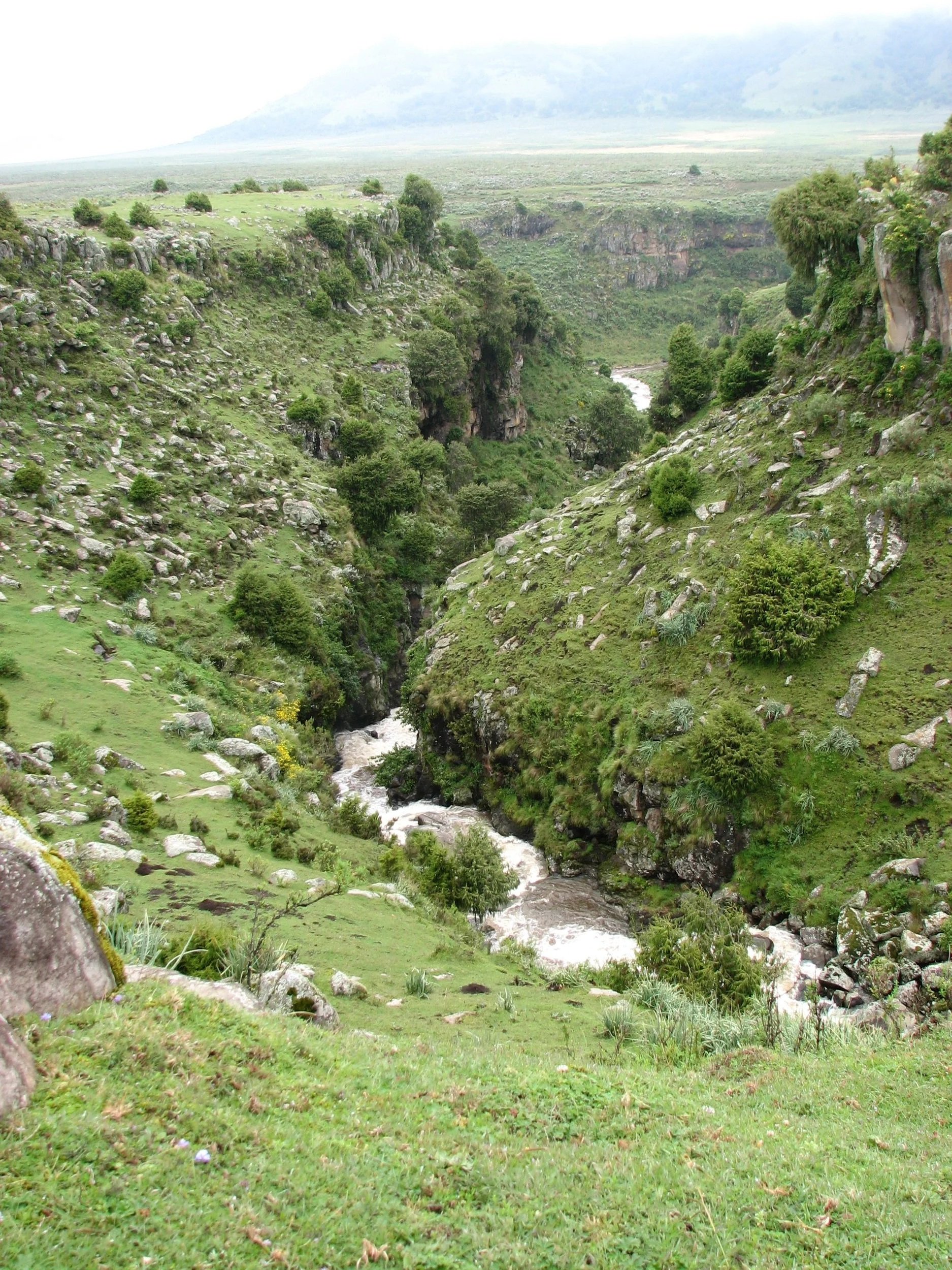
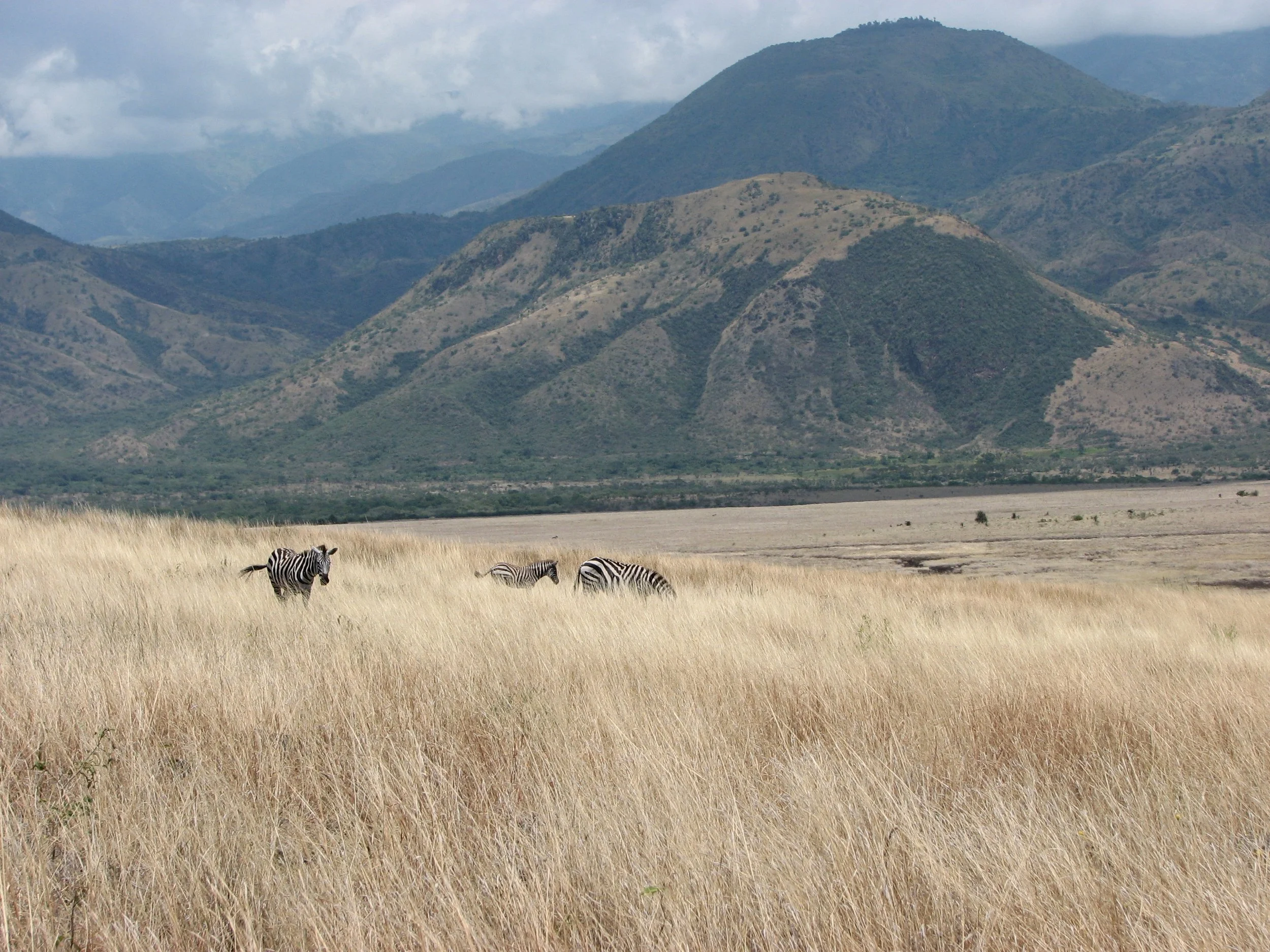
For nature lovers, Bale Mountains National Park offers sweeping alpine plateaus, dramatic escarpments and rare wildlife such as the Ethiopian wolf. After long days exploring the highlands, we cooled off with ice-cold river showers before retreating to a steaming sauna — a perfect contrast in the crisp mountain air. Further south, Nechisar National Park near Arba Minch combines Rift Valley lakes and open plains for a quieter, lesser-visited safari experience.
Best for:
Ancient civilisations and UNESCO World Heritage Sites
Rock-hewn churches, imperial castles and early Christian history
Understanding human origins through the discovery of Lucy (Dinkinesh)
Highland trekking and endemic wildlife in the Bale Mountains
Lake Tana monasteries and hippo sightings
Off-the-beaten-track safari experiences in Nechisar National Park
A culturally immersive journey unlike anywhere else in Africa